Sunday, April 26, 2015

Signs and Sympoms

Signs and Symptoms

Cirrhosis often has no signs or symptoms until liver damage is extensive. When signs and symptoms do occur, they may include:
  • Yellowing of the skin (jaundice) due to the accumulation of bilirubin in the blood.
  • Weakness
  • Short of Breath
  • Bleeding easily
  • Bruising easily
  •  Fatigue
  • Loss of appetite.
  • Itching.
  • Easy bruising from decreased production of blood clotting factors by the diseased liver.
  • Itchy skin
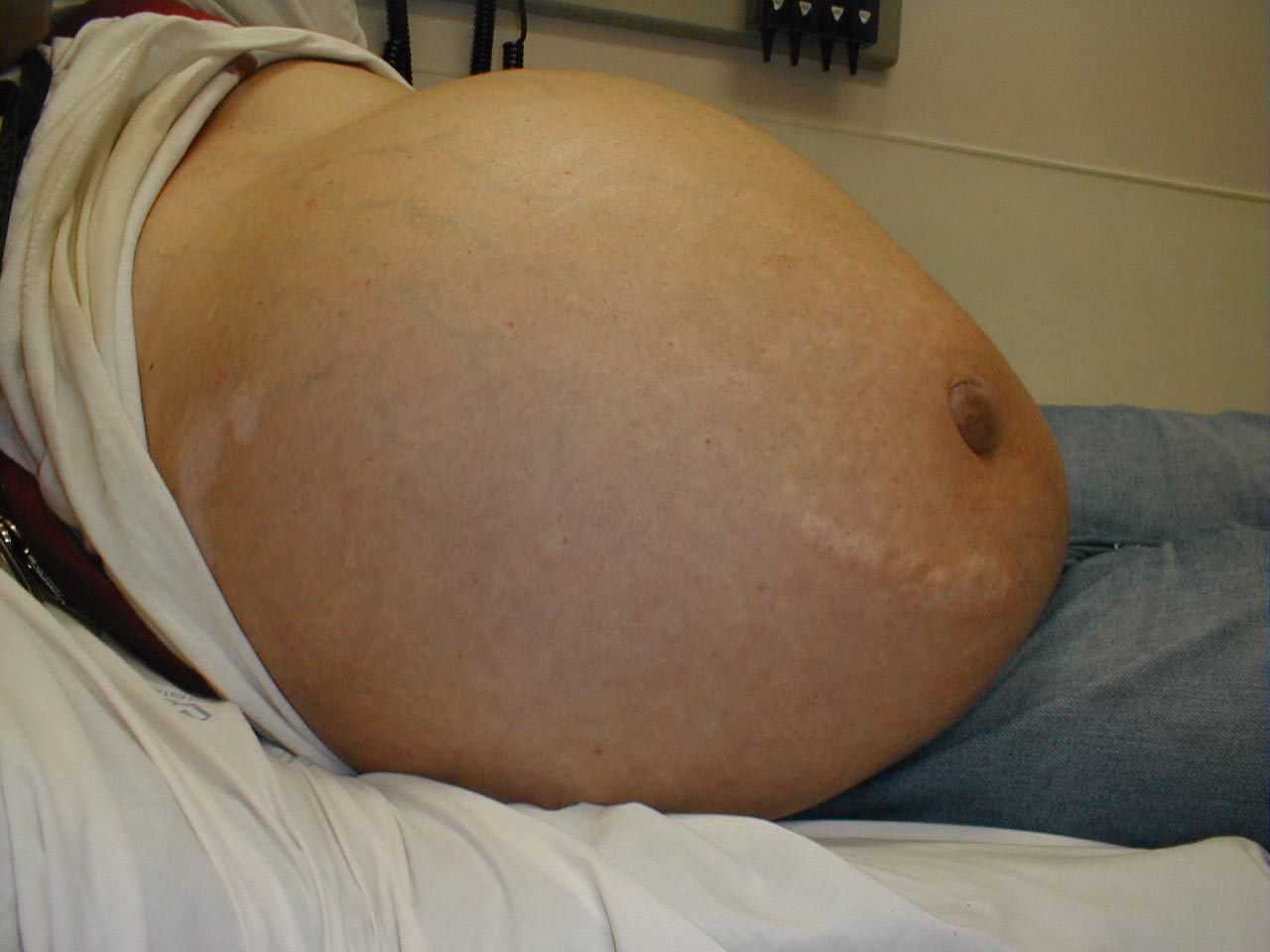
  • Fluid accumulation in your abdomen (ascites)
  • Loss of appetite
  • Nausea
  • Swelling in your legs
  • Weight loss
  • Fatigue.
  • Confusion, drowsiness and slurred speech (hepatic encephalopathy)

References:
Chronic Liver Disease and Cirrhosis. (2015, February 6). Retrieved April 8, 2015, from http://www.cdc.gov/nchs/fastats/liver-disease.htm 
Cirrhosis. (2014, August 16). Retrieved April 8, 2015, from http://www.mayoclinic.org/diseases-conditions/cirrhosis/basics/definition/con-20031617


Saturday, April 18, 2015

Etiology/Pathophysiological

Pathophysiology

Your liver plays an critical function in the body, it produce bile, break down cholesterol in the small intestine during digestion, produce certain proteins for blood clotting, store extra glucose and iron as needed, convert harmful ammonia to urea to excreted in the urine, clearing the blood of drug and other substances, produce immune factors to resist infection, clearing of bilirubin (buildup of bilirubin, the skin and eyes turn yellow and the liver is the only organ in the body that can easily replace damaged cells, but if loss of the liver function that can cause significant damage to the body.

Cirrhosis are mostly cause by Hepatitis C, Hepatitis B and alcoholism. As mentioned before, the liver in the body is the only organ can easily replace damage cells, however if the liver is chronically get damage from diseases, the normal liver cells will replaced by scar tissue, when scar tissue build up it will eventually preventing the liver from functioning properly. The scar tissue blocks the flow of blood through the liver and slows the processing of nutrients, hormones, drugs, and naturally produced toxins. It also slow the production of proteins and other substances made by the liver. 


References:

Liver Disease Symptoms, Causes, Treatment - What is liver disease? (Continued) - MedicineNet. (2014, July 7). Retrieved April 8, 2015, from http://www.medicinenet.com/liver_disease/page3.htm

Cirrhosis. (2014, August 16). Retrieved April 8, 2015, from http://www.mayoclinic.org/diseases-conditions/cirrhosis/basics/definition/con-20031617

Chronic Liver Disease and Cirrhosis. (2015, February 6). Retrieved April 8, 2015, from http://www.cdc.gov/nchs/fastats/liver-disease.htm
  

Saturday, April 11, 2015

Epidemiological Information

Cirrhosis Epidemiological 

Although liver cirrhosis is an important public health concern, the epidemiological is often unknown.  The reason is that people with cirrhosis often diagnosis with Hepatitis B or alcoholism, and people with cirrhosis often goes asymptomatic until the end stage of liver disease. So it is hard to know when people started with cirrhosis or from the underlying disease such as hepatitis and alcoholism begin. However, according to CDC some incidence with cirrhosis in the U.S was recorded. There is estimated to be 360 cases per year per 100,000 of population in the U.S. with cirrhosis, and it is the 11th leading cause of death in the U.S, but there has been 25% decline since 1980, possibly due to reduced alcohol consumption, hepatitis B Vaccination, improved supportive care and liver transplantation. Cirrhosis is accounted for more than 30,000 deaths per year in the U.S and is one of the lading causes of death in people over aged 65 years.

The graph below show liver cirrhosis in the U.S, the darker the green color show more incident, the lighter the color such as white show less incident of cirrhosis.


Beside liver disease, there are some other factor could contribute with cirrhosis, such as:

  • Increases with age
  • Etiology dependent
  • In women there is greater likelihood of progression to cirrhosis than in men from ingesting the same amount of alcohol
  • People from Asia and sub-Saharan Africa have high rates of chronic hepatitis B and C infection


References: 

Chronic Liver Disease and Cirrhosis. (2015, February 6). Retrieved April 7, 2015, from http://www.cdc.gov/nchs/fastats/liver-disease.htm


Scaqlione, S., Kliethermes, S., Gao, G., Shoham, D., Durazo, R., Luke, A., & Volk, M. (2014). The Epidemiology of Cirrhosis in the United States: A Population-based Study. National Center for Biotechnology Information, U.S. National Library of Medicine, 4(49), 265-354.


Saturday, April 4, 2015

Definition

Cirrhosis is a progressive disease which involves loss of liver cells and is replaced by scarring tissue. These scarring tissue will blocked the blood flow to the liver, which will slow down the processing of nutrients, hormones, drugs, naturally produced toxins. It also slows the production of proteins and other substances made by the liver. As cirrhosis progresses, more and more scar tissue forms, making it difficult for the liver to function (decompensated cirrhosis). Advanced cirrhosis is life-threatening.


References:
 Cirrhosis of the Liver Stages, Causes, Symptoms, Treatments. (2014, September 16). Retrieved March 28, 2015, from http://www.webmd.com/digestive-disorders/cirrhosis-liver 
Cirrhosis. (2014, August 16). Retrieved March 28, 2015, from http://www.mayoclinic.org/diseases-conditions/cirrhosis/basics/definition/con-20031617